
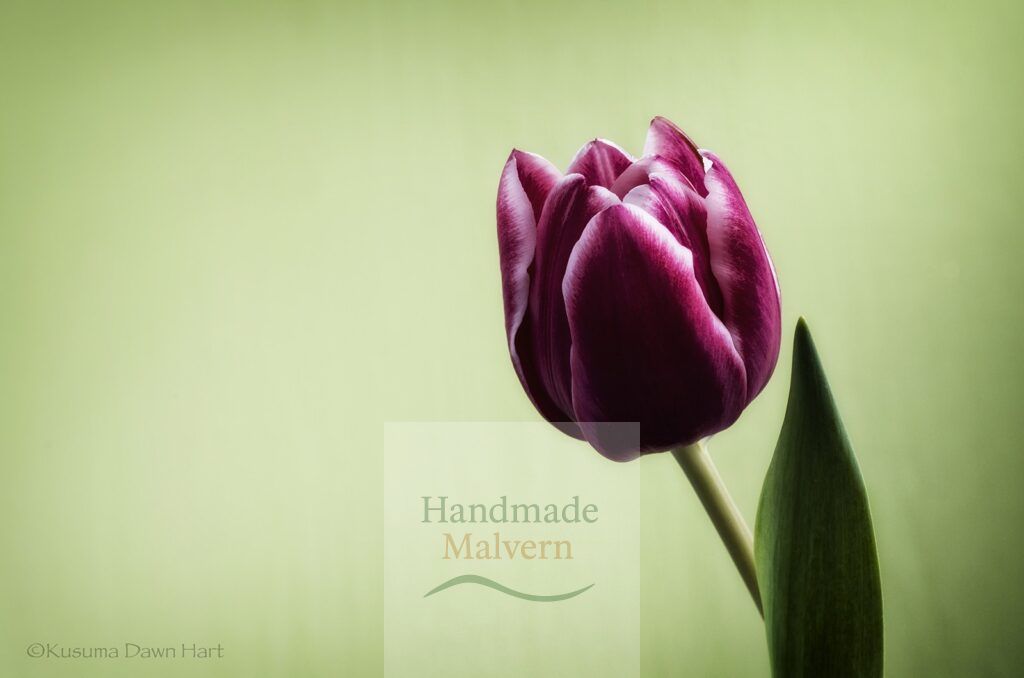
Flowers have always had a special way of saying what words sometimes can’t—whether it’s “happy birthday,” “thinking of you,” or “sorry for your loss.” That’s why floral imagery continues to be one of the most popular choices across creative industries, from greeting cards to home décor. If you love photographing flowers and are wondering how to take it from a passion to a product, you’re in the right place.
Understanding the Market for Floral Photography
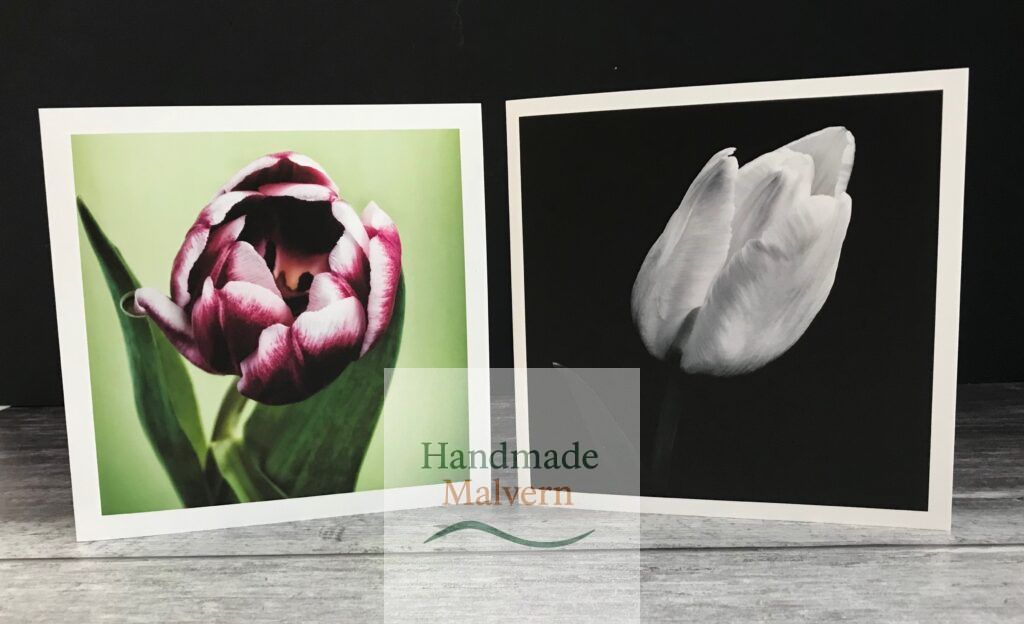
Next time you’re in a card shop (or scrolling online), take a moment to study the most popular designs. You’ll notice how often flowers take centre stage—because they sell. Whether your style is bold and dramatic or soft and romantic, there’s room in the market for fresh floral perspectives.
Trade fairs are a great way to see what greeting card publishers are currently investing in. You can also get a feel for what themes, colours, and moods are trending for the coming seasons. This helpful article from Writers & Artists offers great tips on what publishers look for when choosing work.
But don’t stop at cards! Floral imagery has endless applications—from wallpaper and cushions to tote bags and tech accessories. The possibilities are blooming, and so is the demand from interior designers, giftware brands, and small product-based businesses.
Getting Started: Shoot What’s Around You
Many floral photographers start by shooting what’s accessible—like their own garden or local parks. In my early days, I wore out more than a few pairs of boots wandering gardens around the UK. I was lucky enough to work on two garden photography projects with English Heritage and Ryton Organic Gardens. My work even led to an exhibition and my first print sales.
These days, I work closer to home. I plant with photography in mind, choosing blooms I know will photograph well. I also buy stems from my local florist and shoot still life compositions in my home studio, especially during those rainy weeks (hello, British weather!). One year I excitedly bought a new camera, only for it to rain for the whole of June!
What’s In My Camera Bag
A good kit can make a big difference. Here’s what I carry when I’m out photographing flowers:
- Camera: Digital SLR (currently using a Pentax K-1ii)
- Lenses:
- 100mm macro lens
- 50mm macro lens
- 50mm standard lens
- 24mm wide-angle (perfect for capturing full garden borders)
- 100mm macro lens
- Accessories:
- A small gold/white reflector
- A sturdy tripod for those sharp, detailed shots
- A weatherproof sling or rucksack bag—your back will thank you!
- A small gold/white reflector
Invest in the best lenses you can afford. I used a Sigma 105mm macro for years, but the jump in sharpness and speed when I upgraded to the Pentax 100mm macro was incredible. Quality gear pays off in the long run.
Camera Settings For Floral Success
To get the best results, shoot in manual or aperture priority mode, and keep your ISO low (ISO 100 or 200 is ideal). Try bracketing your exposures—either by changing your aperture slightly (like f/14, f/16, f/18) or using the exposure compensation dial to adjust brightness while maintaining your chosen f-stop. This is especially useful in tricky lighting situations, like bright backdrops or moody shadows.
Reflectors on a Budget!
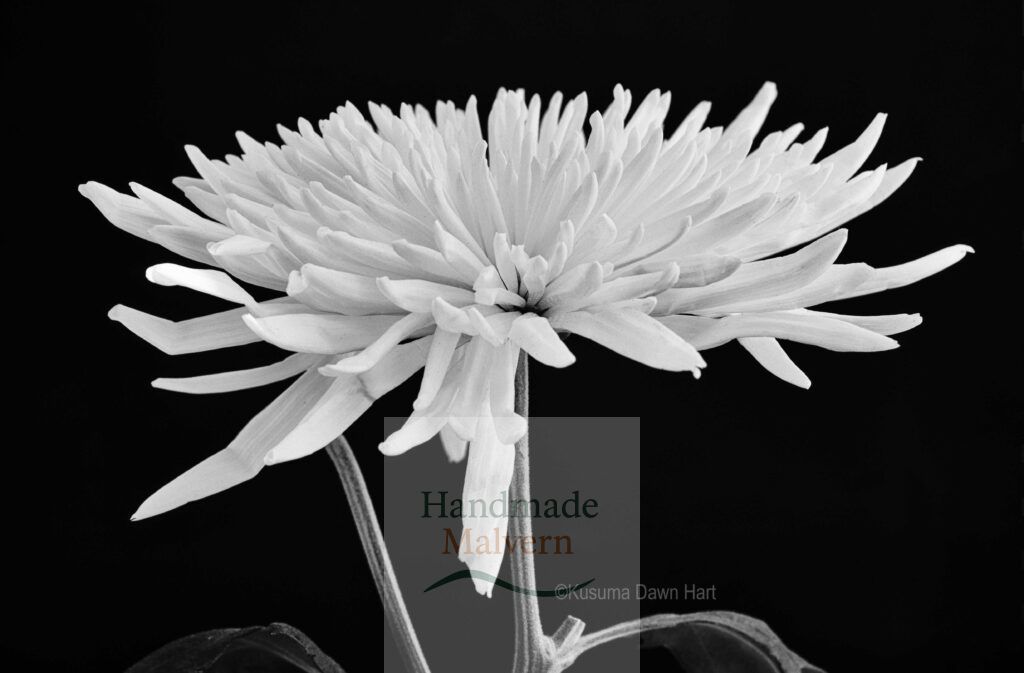
A reflector is one of the simplest ways boost the light in your floral shots. Use it to bounce light into shaded areas or soften harsh midday sun. You can hand-hold it or clip it to your tripod if you’re working close-up. I often combine reflectors with a lighting cube.
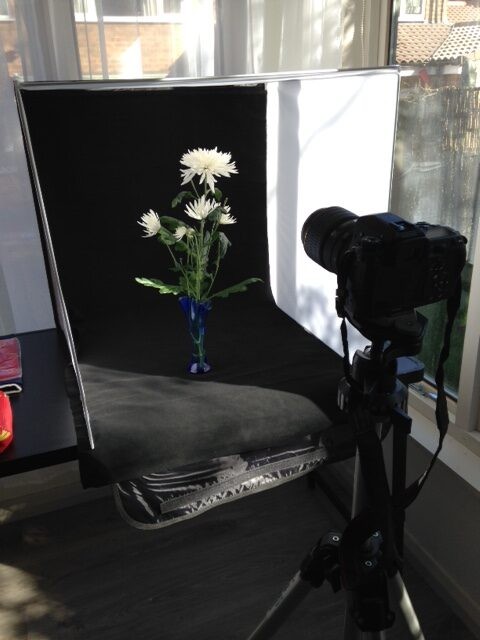
Here is an example of a set up with a cheap lighting cube that softens the light and can be used in combination with a simple reflector board.
Composing the shot
Before you press the shutter, pause and observe. What’s the story here? Is it about symmetry, structure, contrast, or colour? Sometimes the leaves are more photogenic than the bloom. Get low, go high—experiment with your perspective. Ask yourself:
“What do I want to say with this image?”
Then shoot with intention.
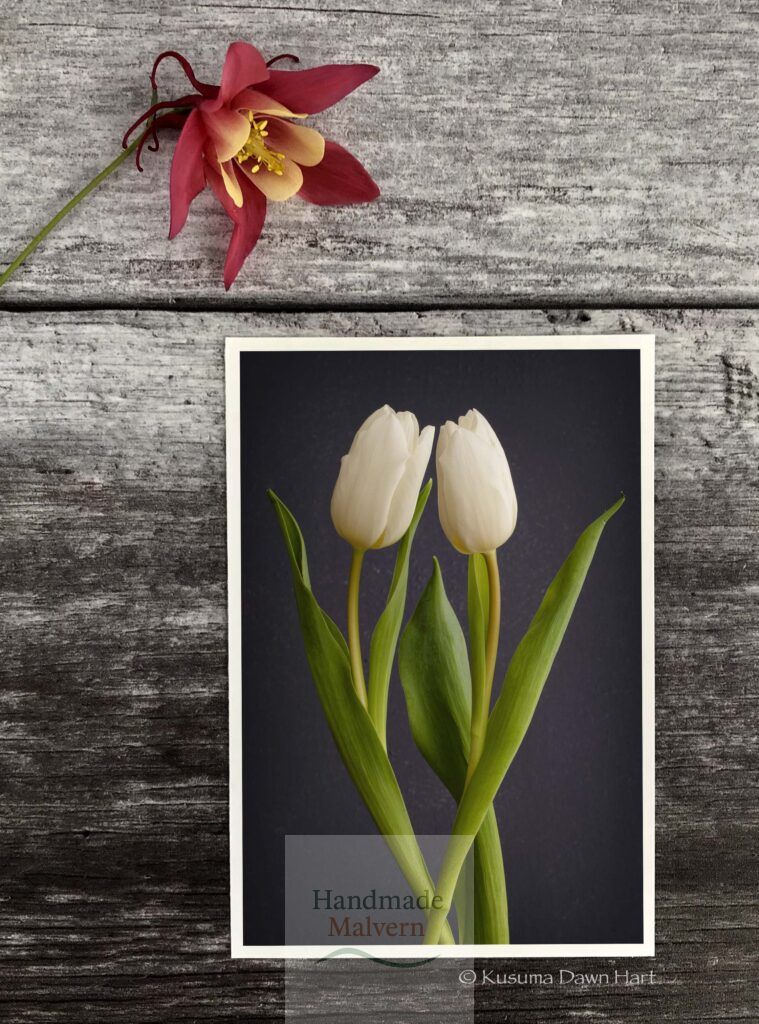
Bringing Flowers to the studio
When winter hits, I take my floral photography indoors. I dry seed heads in autumn (think: poppies, nigella, alliums) and shoot still life compositions all season. You don’t need a fancy studio either—a window-lit kitchen table, some mount board for backdrops, and a couple of reflectors are a perfect starting point.
Tips for indoor floral shoots:
- Buy or make simple backdrops (Daler mounting board is inexpensive and effective)
- Cut flowers fade fast—photograph them ASAP
- Consider capturing the full lifecycle, even decay can be beautiful (and sellable!)
- Use natural light when possible—as flowers wilt quickly. Daylight mixed with some LED light and a reflector is an effective combination on a dull day.
- Try different background colours (not just black!)—you might be surprised what sells
Props like clamps, floral wire, and oasis sponge are handy for positioning stems just right. I keep a stash of vases and backgrounds to help tell a story with my still life setups.
Post-Production
Nature does a lot of the hard work, but editing still plays a role. I remove blemishes and tidy petals in Photoshop. I also love using the Nik Collection for creative filters—especially vintage effects, which work beautifully with florals.
Final Throughts
Whether you’re a crafter looking to add prints to your market stall, a photographer building a licensing portfolio, or simply someone who loves flowers and wants to create something meaningful—floral photography is a wonderful place to grow your creative practice.
And if you’re just getting started? Let this be your nudge to pick up the camera and explore.
Useful Links:
Writers & Artists – Guide to the Greeting Card Industry
About this Author:
Kusuma has been writing about photography and taking pictures for more than two decades. She was a features editor for a photography magazine in the UK before going freelance writing for several publications. She sells prints and stock images of her work and is a founding member of Handmade Malvern.
You can browse her print collection here
This article was originally published in 2022. Copyright Kusuma Dawn Hart.
