
For many people who create handmade arts and crafts, building a website can feel like a big, exciting step — a move toward “getting serious” about your small business. But before diving in, it’s worth taking some time to think clearly about what you actually need your website to do, and whether it’s the right move at the right time for you. If you have no experience of designing and building a website be prepared for a steep learning curve.
What’s the Purpose of Your Website?
Start by asking yourself: what do I want this website to do?
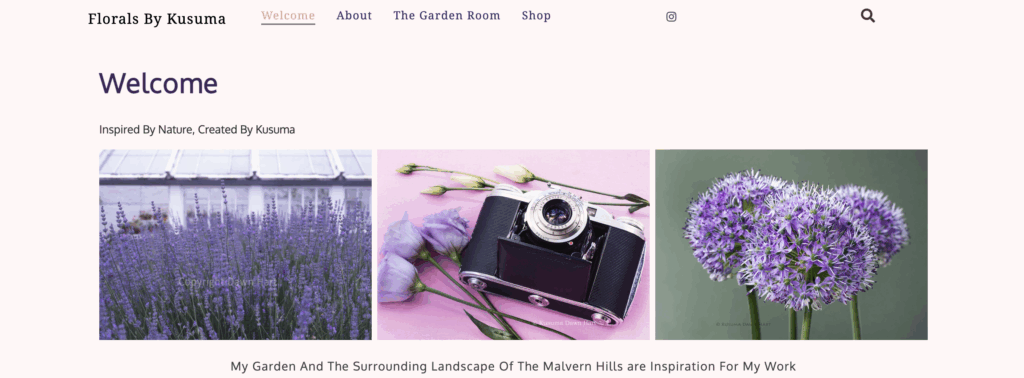
Is it like a business card?
Maybe you just want a simple place online where people can find out who you are, browse your work, and get in touch with you. In this case, all you really need is:
– An About page
– A gallery of photos
– Contact information
This kind of website can be set up quite simply using platforms like Wix, Squarespace, or Carrd — we’ll include a list of examples at the end of this post.
A good hybrid option rather than website is a Linktree for example where you can list all of the places where you have social media or shops with selling platforms such as Etsy.
Or are you thinking of an online shop?
The idea of running your own shop is tempting — and it can be a great step — but don’t rush into it. Many experienced bloggers and handmade business experts advise against launching your own standalone online store before you’ve built up a solid following, especially on social media.
Social Media First, Then a Shop
In the early days, it often makes more sense to start selling via your social media channels. Platforms like:
– Etsy
– Folksy
– The British Craft House
…are great options for testing the waters.
Yes, platforms like Shopify offer low-cost introductory deals and free trials for a month or even three months — and they’re powerful tools. But realistically, very few makers have a profitable shop fully up and running in just one month. You really need to have a strong social media following to leap from zero to a profitable shop.
An In-Between Option
There are platforms that sit somewhere between a marketplace and a full custom website. One great example is Big Cartel and another is Sellfy
Big Cartel is designed with artists in mind. It’s user-friendly, and mobile-friendly with an app for sellers to upload their product info with.
- Choose professional looking web page template
- You can add an About page, blog, and shop.
- It supports custom domains.
- Works with Print on Demand supplier Printful.
While there is a monthly fee, it can be a good stepping stone if you’re not ready for the full costs and complexity of Shopify or a self-hosted WordPress store using Woocommerce.
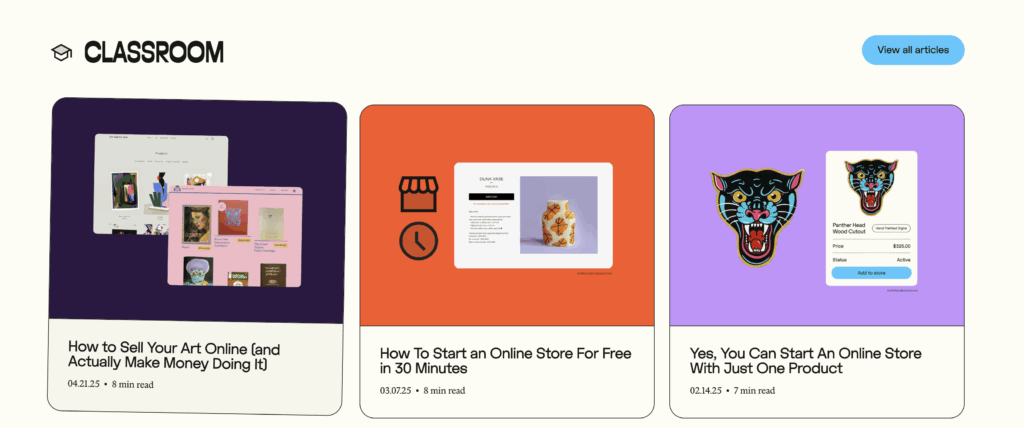
Big Cartel’s blog has lots of information on how to set up your own shop and its worth taking a look for some inspiration.
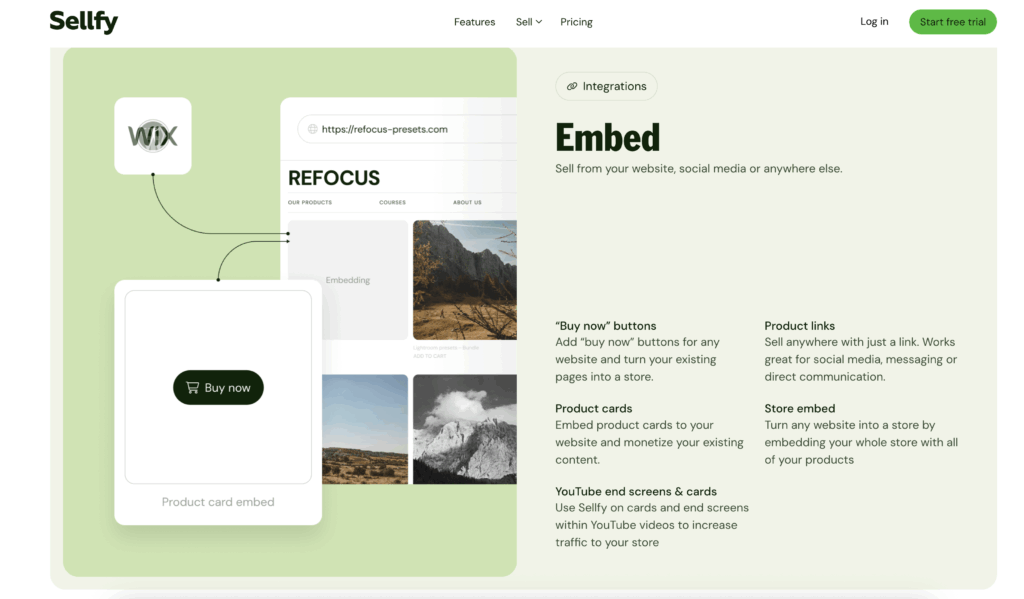
Sellfy are a leading competitor of Big Cartel and claim you can set up a shop with them in under 10 minutes! They allow you to sell both physical and digital products. Sellfy allows you to embed the store in to your own website. So if you already have a nice looking text based website and don’t want the hassle of creating a new one, you could add Sellfy as your store. There is a 14-day free trial. Visit the website for the most up to date prices.
Website Providers
You will find a list of website providers and hosts at the bottom of this blog and it pays to shop around. Some web hosting platforms can initially seem quite cheap but once they have your website they charge “add-ons” for things like SSL security where as other providers will include that in your yearly charges. Ecohosting provide a great value hosting package and they have reasonably good Eco-credentials. You can use them to create a stand alone, simple, three-page website or they can host your entire wordpress themed website. There service is suited to people with some website building experience. Where as companies like Square Space and Wix are more user friendly companies for people with no website building experience.
Costs, Fees & Realistic Expectations
When comparing platforms, take a good look at:
– Monthly fees
– Add on fees for security or spam protection
– Payment processing charges
Think about whether you’re realistically going to make enough sales to cover the cost — and whether managing a shop is the best use of your time right now.
Your Website Should Reflect Your Brand
Whether it’s a simple portfolio or a full online shop, your website should reflect your brand identity. That includes:
– Your logo, colours, and typography
– Consistent photography style
– A clear brand story
– A style sheet to guide visual choices and tone of voice
Things to Include on Your Website
Here are a few essential elements to plan for:
– FAQs (how to order, delivery times, returns policy)
– Clear shop links
– Instagram or social media feed
– Terms & Conditions and Privacy Policy
– Mailing list signup (using tools like EmailOctopus or Mailchimp).
Your Website Tells Your Story
People buy from people — especially in the handmade world. Your website is the place to tell your story and share your passion.
Include:
– Behind-the-scenes photos
– Videos of your process
– Stories that connect your audience to your work
But a Website Alone Isn’t Enough
Your website won’t do all the work for you. You need to:
- Promote it via social media
- Use good keywords and SEO tags
- Link everything together — your socials, your shop, your mailing list, your brand
- Most Importantly you can’t beat face to face conversations with customers. If you are at a craft fair, ensure you have a business card or a QR code (preferably both) that allows customers and potential customers to find your website and contact you. Even if someone doesn’t buy from you on the day of the fair, they might make a purchase at a later date.
Final Thoughts
A website can absolutely support your handmade business — but only if you know what you want it to do, and you choose the right time and tools for your stage of the journey. Start simple, build steadily, and let your story sell you and your work.
Useful Resources:
– Wix (https://www.wix.com/)
– Squarespace (https://www.squarespace.com/)
– Carrd (https://carrd.co/)
– Big Cartel (https://www.bigcartel.com/)
– Shopify (https://www.shopify.com/)
Sellfy (https://sellfy.com/)
– WordPress (https://wordpress.com/)
– Etsy (https://www.etsy.com/)
– Folksy (https://folksy.com/)
– The British Craft House (https://thebritishcrafthouse.co.uk)
– Mailchimp (https://mailchimp.com/)
– EmailOctopus (https://emailoctopus.com/)
Note from Author: None of the links in this blog post are paid endorsements but merely suggestions to research.
